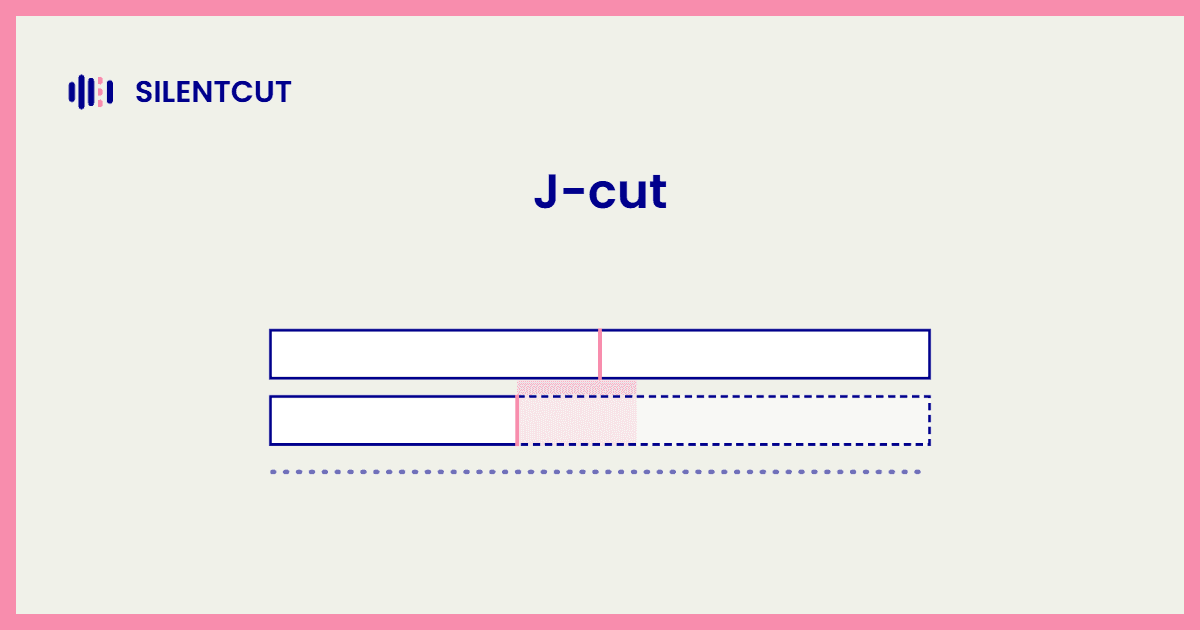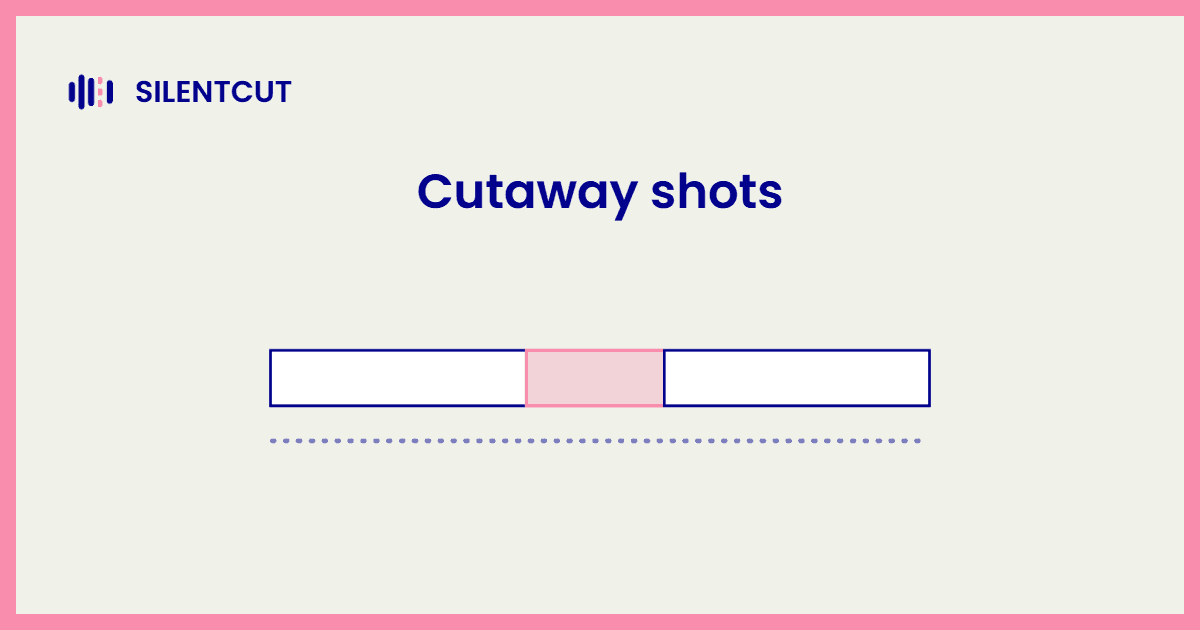
A cutaway shot interrupts the main shot with a brief look at something related, then returns, while the audio runs unbroken underneath. To be precise about the words, this is the film term. A cutaway in editing has nothing to do with the vans, guitars or collars that share the name. The diagram is the whole move.
What a cutaway shot is for
A cutaway does three jobs. It shows the thing being discussed, the hands during the interview about craft. It controls attention, steering the eye where the story needs it for a beat. And, the working editor's secret, it hides cuts. Any jump cut you'd rather not show vanishes under a cutaway, because there's no visible seam in footage that isn't on screen. Sitcoms run on the comedic version, cutting away to a reaction or a flashback beat, and news has used cutaways since film was cut with blades, mostly to bridge interview edits.
Cutaway vs b-roll
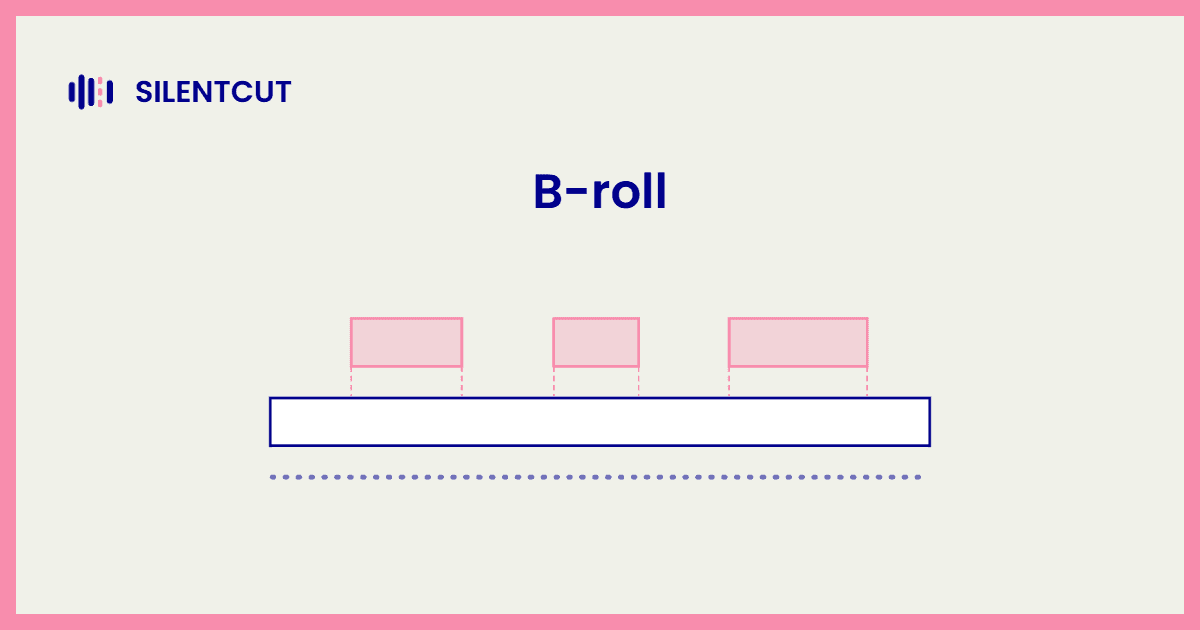
Every cutaway is made of b-roll, but the words point at different things. B-roll names the footage, the library of secondary material you gathered. A cutaway names the edit, the specific moment you leave the main shot and come back. You shoot b-roll. You cut a cutaway. In practice the pair works one way. Tighten the main shot first, then place cutaways where the edit needs cover or the story needs a look. The tightening half, the silence and fillers and dead takes, is what SilentCut automates before any cutaway gets placed. SilentCut isn't public yet.
How long should a cutaway be
Two to four seconds covers most. Long enough to register what you're seeing, short enough that the return feels like coming back rather than a new scene. Under a second reads as a glitch, over five starts becoming its own scene. The test is the audio. If the continuous sound holds the thread while the picture is away, the length is right.